Longquan celadon, renowned for its jade-like glaze and serene elegance, has stood as one of China’s most iconic ceramic traditions for over a millennium. Yet in the 21st century, this ancient craft is undergoing a quiet revolution. A new generation of artists—trained in both classical craftsmanship and contemporary design—are bringing fresh interpretations to this time-honored art form.
A Heritage Built on Precision and Fire
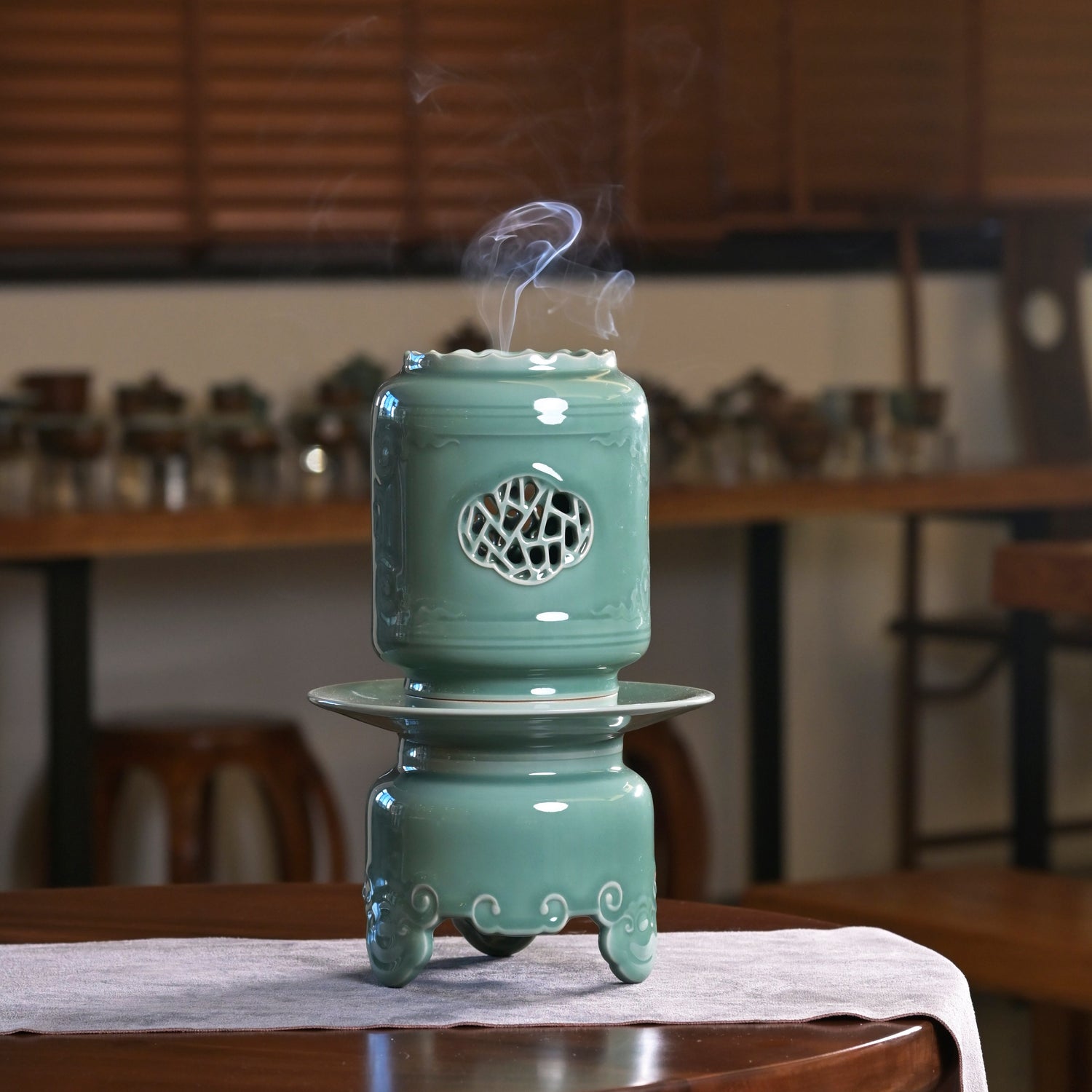
Longquan celadon is often described as “a meeting of earth and fire.” Historically, its beauty relied on two essential foundations: a harmonious form and a flawlessly controlled glaze. Achieving this balance required not only technical mastery but a sensitivity to aesthetics rooted in Chinese culture.
Today’s artists continue to uphold these standards, maintaining the meticulous craft of shaping, trimming, glazing, and firing. Many still train under established masters, preserving the lineage of techniques passed down through generations.
Innovation Within Tradition
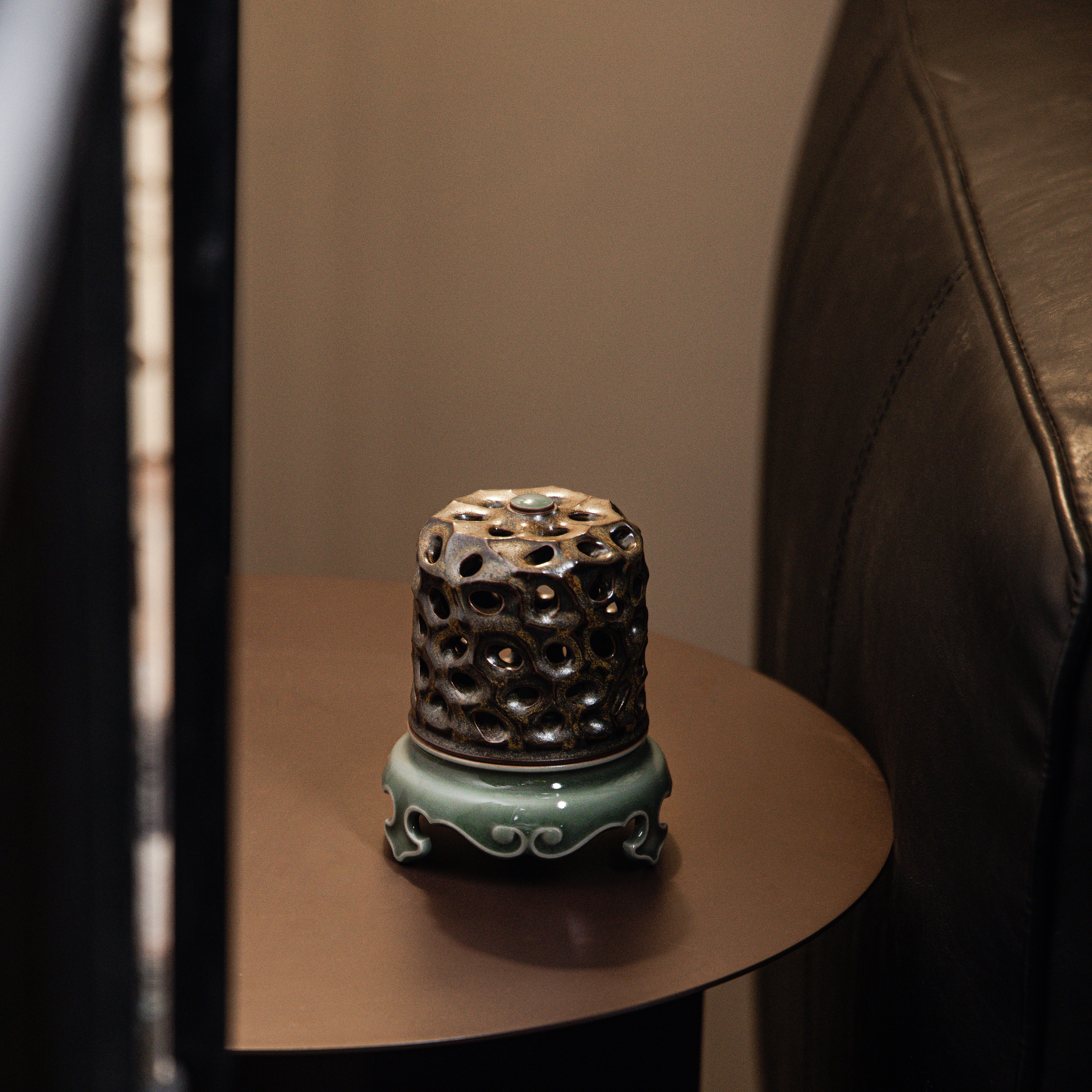
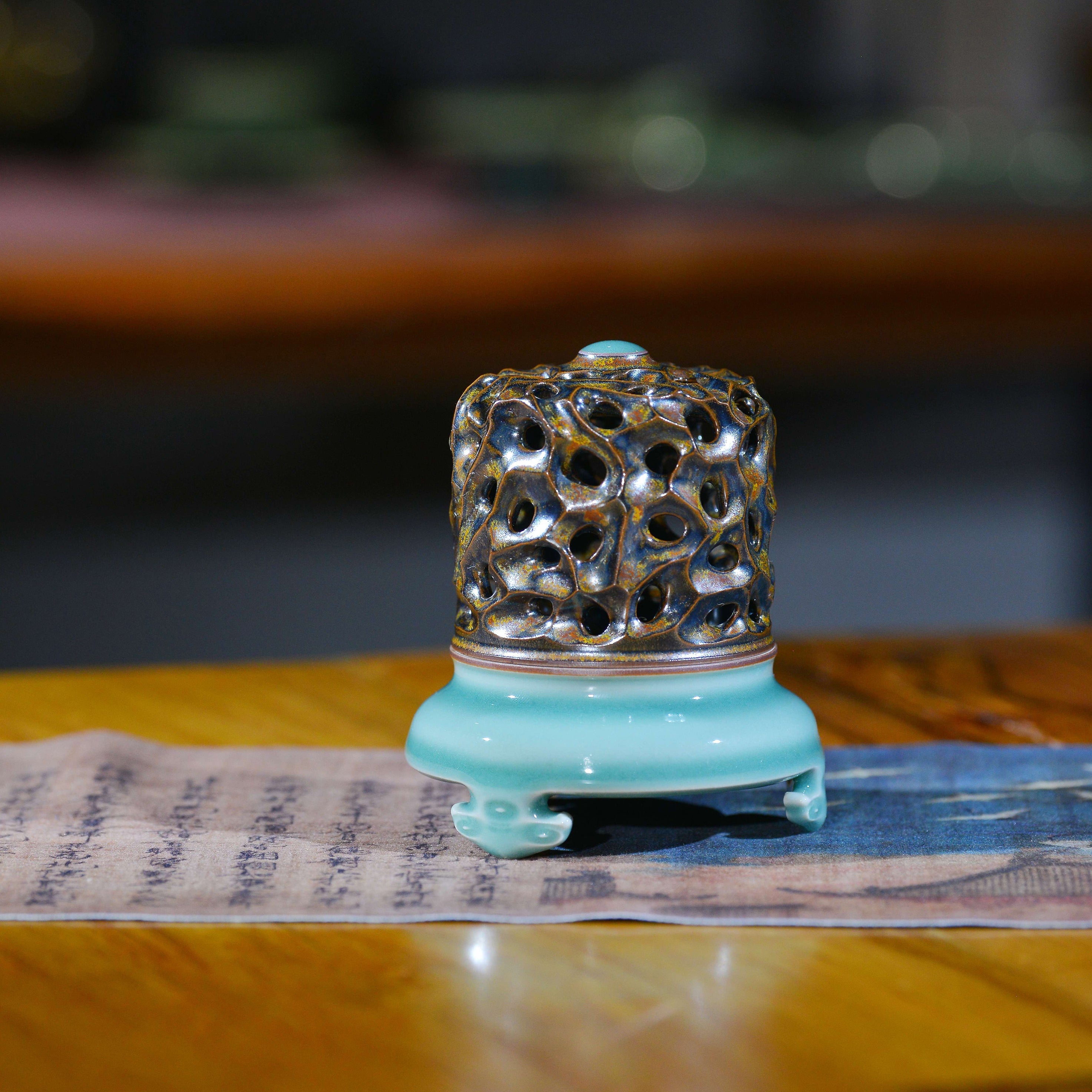
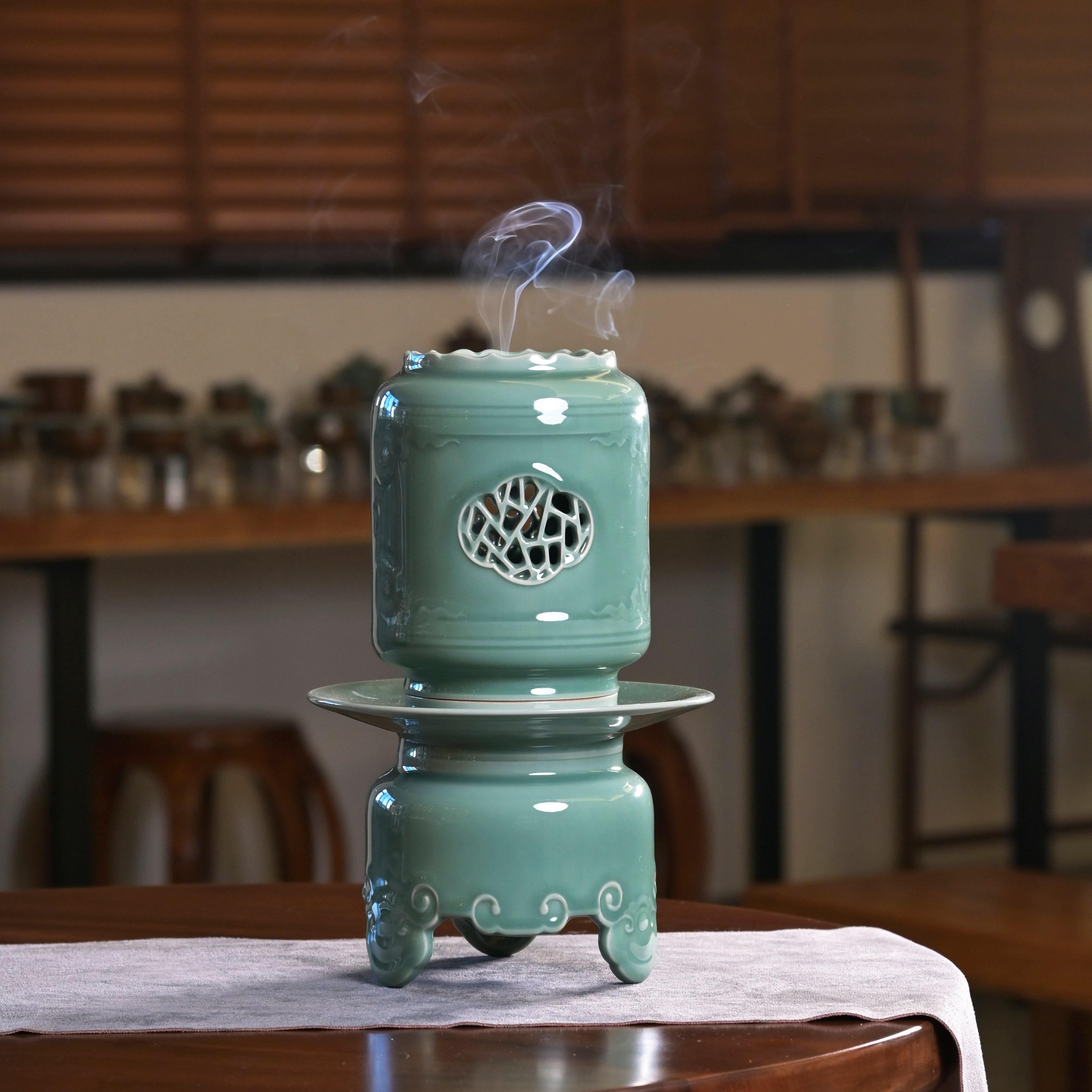
What sets modern celadon artists apart is their willingness to push beyond classical forms. New glazes—soft milk-yellow, misty bean-green, or translucent shadow-blue—have expanded the color language of celadon, enriching public perception beyond the iconic traditional greens.
Some workshops are exploring new kiln technologies to achieve more stable results; others are reintroducing rare firing techniques that border on lost traditions. The interplay between innovation and heritage has created an exciting shift in the industry.
The Rise of Mixed-Material Craftsmanship
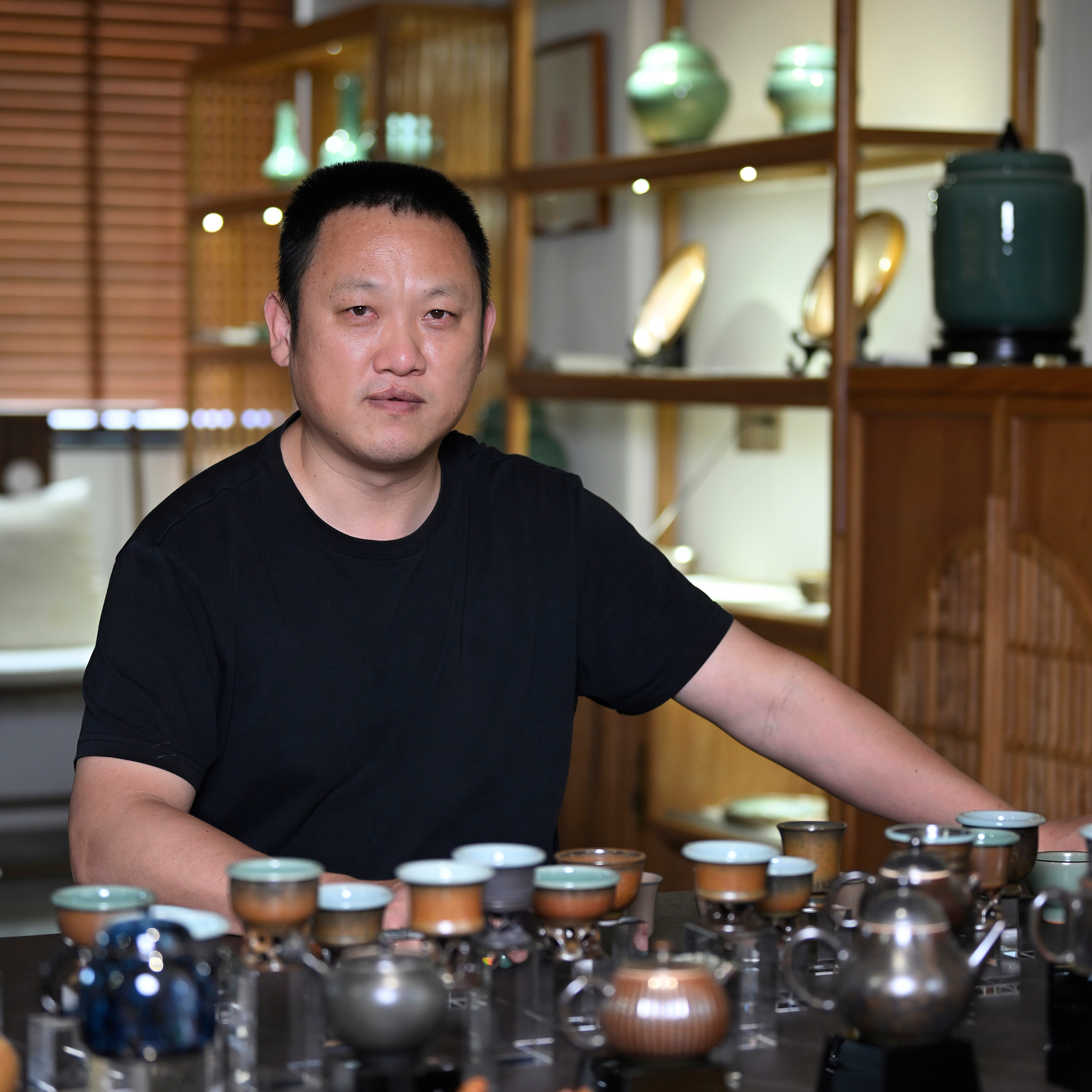
Perhaps the most intriguing trend is the fusion of celadon with other natural materials such as hardwood, bamboo, or metal. This approach, pioneered by artists like Huang Ke and others, merges ceramic beauty with the warmth and texture of wood.
The result is a series of works that feel timeless yet contemporary—pieces that embody cultural depth while fitting seamlessly into modern interior design.
Cultural Consumption in the Modern World
As cultural awareness and appreciation grow globally, Longquan celadon finds renewed life not just as collectibles but as lifestyle art. More consumers want craftsmanship with meaning—objects that tell a story.
Modern celadon, shaped by tradition but enriched with innovation, meets that need perfectly.
Conclusion
The evolution of Longquan celadon is proof that traditional arts can thrive in a modern world. With artists committed to advancing both technique and expression, this ancient craft is not fading—it is transforming, expanding, and finding new audiences around the globe.

Leave a comment
This site is protected by hCaptcha and the hCaptcha Privacy Policy and Terms of Service apply.